Map formal and informal leaders, affected groups, women, young people, disabled residents, traders and people who may not attend a central meeting. Choose times, venues and languages that reduce barriers. Share information early enough for participants to prepare, and provide more than one route for feedback.
At the meeting, separate listening from persuasion. Record questions accurately, name the person responsible for each response and do not promise what the organisation cannot deliver. Publish a short “what we heard, what we will do” note afterwards. If a request cannot be accepted, explain the reason.
Engagement should continue through implementation. Track commitments and return with evidence. Photographs and attendance figures can support reporting, but they are not substitutes for whether people understood the proposal and influenced the outcome.
Working with traditional and local leaders
In many Ghanaian communities, the first step is a courtesy call on the chief and elders. This visit shows respect and helps you understand local protocol. Ask about the best time and place for meetings, and who else should be invited. Remember that traditional leaders are one part of the community, not the whole of it.
Assembly members, youth groups, women’s groups, religious leaders and associations of traders or farmers all have a stake. Some groups may not feel free to speak in a large public meeting. Smaller sessions can help these voices be heard.
Keeping promises after the meeting
Trust is built or lost after the cameras leave. If you promised to share information, send it on time. If you agreed to fix a road or drill a borehole, give regular updates on progress. If plans change, explain why before people hear it from others.
Appoint a community liaison person who lives nearby or visits often. People need a familiar face to approach with questions. Keep a simple record of commitments and review it at each visit. When communities see promises kept, they are more willing to engage on the next project.
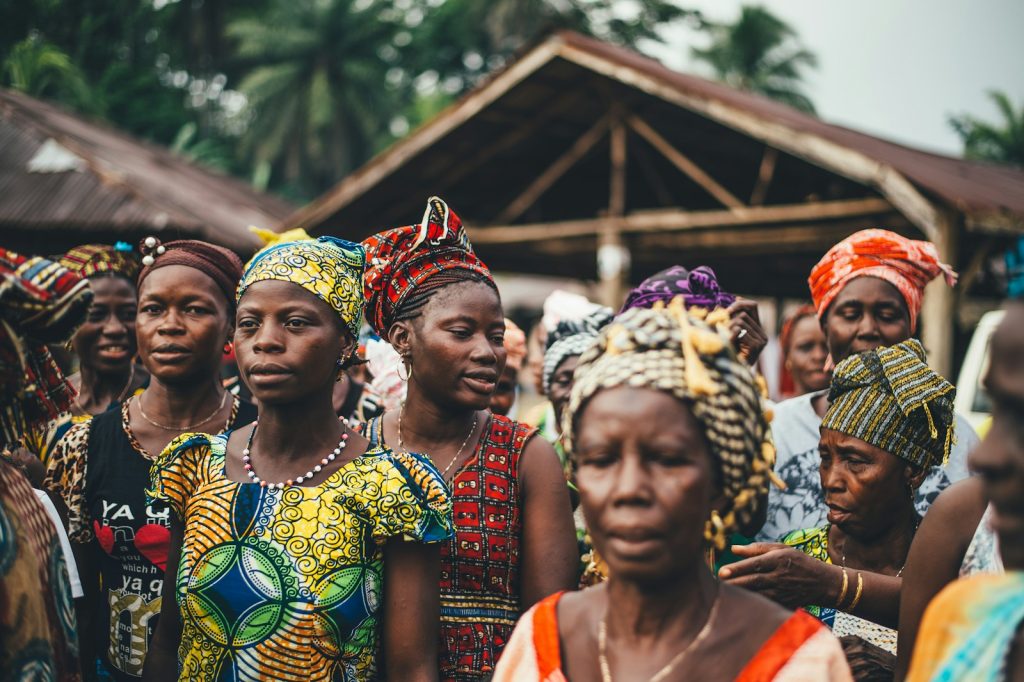
Featured photo: Community members in Sierra Leone by Annie Spratt on Unsplash.



Leave a Reply