Build a regional map of audiences, languages, media, institutions, seasonal events and trusted intermediaries. Speak with colleagues and partners who live in the target areas before fixing the strategy. Community radio, information centres, faith networks, market associations and local digital groups may be more useful than a national headline.
Give regional spokespeople proper briefing and authority. Do not send them identical scripts without room for local examples. Budget for translation, transport, accessible venues and follow-up. Plan how questions and complaints from each region will reach the team responsible for decisions.
Measurement should show regional differences instead of averaging them away. Track reach, understanding and action by location, and record what changed after local feedback. Respectful national communication is designed from multiple centres, not distributed from one.
Understanding regional differences
Ghana’s sixteen regions differ in language, economy and media habits. A campaign about farm inputs may need different timing in the north, where the main farming season starts later, than in the south. A health message in a coastal fishing community may need to fit around fishing days and market days.
Research these patterns before you plan. Speak with regional offices, district assemblies, local journalists and civil society groups. Ask what has worked before and what has failed. Local knowledge can save money and prevent embarrassing mistakes.
Working with regional media
Regional journalists are often stretched. They may cover many beats and travel long distances with little support. Make their work easier. Send stories with a local angle, local names and local figures. Offer interviews with spokespeople who speak the local language. Give enough notice for events, so reporters can plan transport.
Build long-term relationships, not just campaign contacts. Invite regional journalists to briefings, share background information and respond quickly to their questions. Treat a story in a regional paper or on a local FM station with the same respect as national coverage. For many audiences, local media is the most trusted source of news.
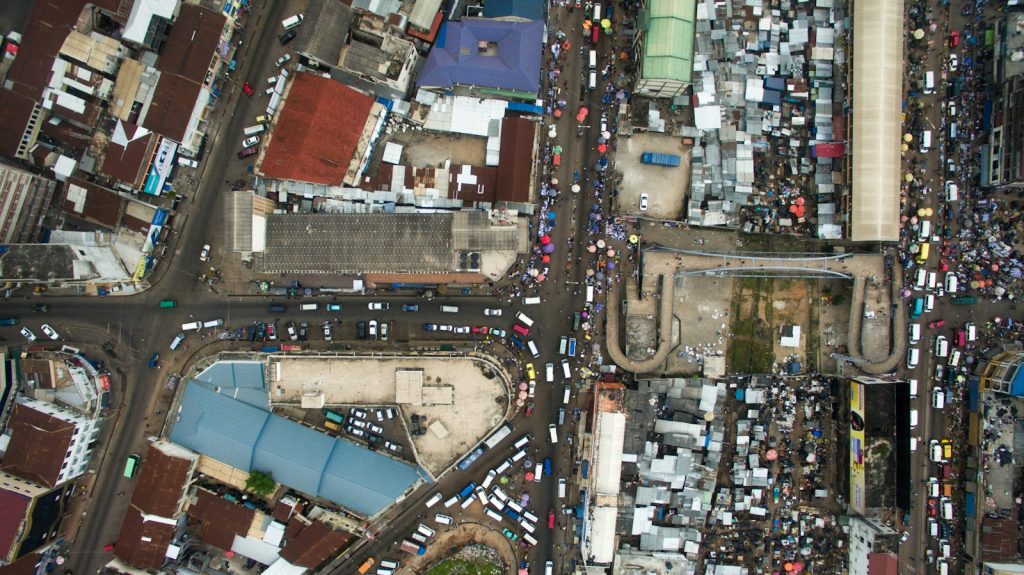
Featured photo: Aerial view of Adum, Kumasi, by Reuben Hayfron on Unsplash.



Leave a Reply