
For news, separate what happened from interpretation. Attribute disputed or promotional claims. Confirm that the headline does not overstate the body and that an old event is not presented as current. Check whether a regulatory proposal has since changed.
For guides, distinguish professional advice from legal, medical or financial advice. Remove invented examples that could be mistaken for real people or organisations. Review images for consent, caption accuracy and rights. Check accessibility, spelling of Ghanaian names and the consistency of place names.
Finally, ask what a fair-minded subject would say is missing. Record the sources consulted and the time of the final check. If material uncertainty remains, hold the piece or label it clearly. Publishing later is less costly than correcting a confident falsehood.
Common errors in Ghanaian copy
Some mistakes appear again and again. Names of people and places are often misspelt, especially when copied from a WhatsApp message. Titles change: a minister may have been reshuffled, or a chief may now use a new stool name. Figures in cedis may be confused with dollars, or old figures may be presented as new.
Keep a house style sheet. List the correct spellings of regions, districts, institutions and frequent names. Agree how to write currency, dates and job titles. A shared sheet saves time and reduces arguments at the last minute.
Building a culture of checking
Checking works best when it is shared. Ask a second person to read every important piece before it goes live. The second reader should look at facts, not only grammar. Give that person permission to delay publication if something looks wrong.
When an error does appear, correct it openly. Add a short note that says what was changed and when. Readers trust publications that admit mistakes. Review corrections every month to spot patterns. If many errors come from one source or one type of story, improve the process at that point. Over time, the checklist becomes a habit, and quality rises without slowing the team down.
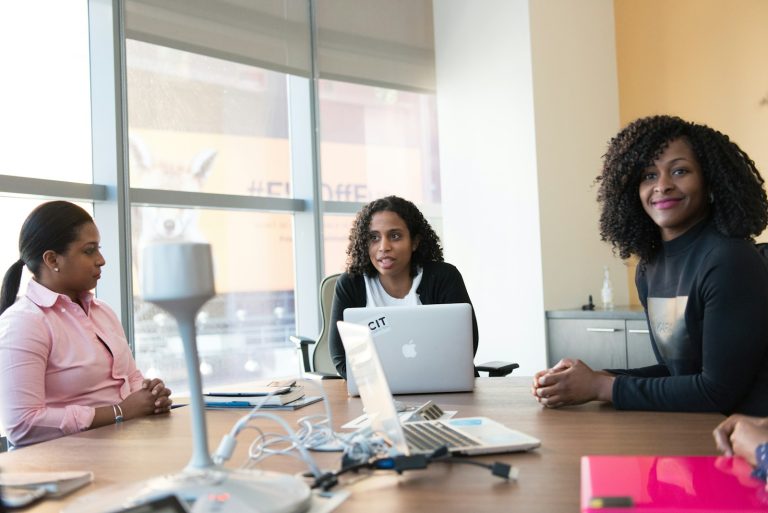
Featured photo: Colleagues reviewing documents by Vitaly Gariev on Unsplash.

Leave a Reply