Write the three points the audience must remember, the evidence supporting each point and the questions most likely to expose uncertainty. Include difficult questions about cost, delay, accountability and affected people. Practise answers aloud, then shorten them. An answer should respond directly before adding context.
Teach bridging without evasion. “What we can confirm is…” can be useful when followed by a real fact and a commitment to update. It becomes damaging when used to avoid every question. Agree who will correct an error and how quickly the organisation will publish missing information.
Run mock interviews for radio, television and phone, because each format creates different pressure. Review pace, jargon and empathy as well as factual accuracy. After the interview, capture follow-up requests and keep the spokesperson informed of developments.
Preparing for local radio
Radio remains one of the most powerful media in Ghana. Morning shows and phone-in programmes reach millions of listeners, often in local languages. Spokespeople should be ready for long, live conversations, not just short clips. Callers may raise personal complaints or ask questions far outside the topic.
If the interview will be in Twi, Ga, Ewe or another language, prepare key terms in that language before the programme. Technical words may not have simple equivalents. Agree on clear explanations in advance, so the spokesperson does not struggle on air.
After the interview
Review every major interview. Listen to the recording or read the transcript. Note what worked and what did not. Did the key messages come through? Were any facts wrong? Did the tone fit the audience?
Share feedback with the spokesperson in private and in a supportive way. Correct any errors quickly with the station or publication. Keep a library of past interviews for training new spokespeople. Over time, these reviews build confidence and consistency. A spokesperson who is well prepared and well supported can strengthen trust in the organisation every time they speak.
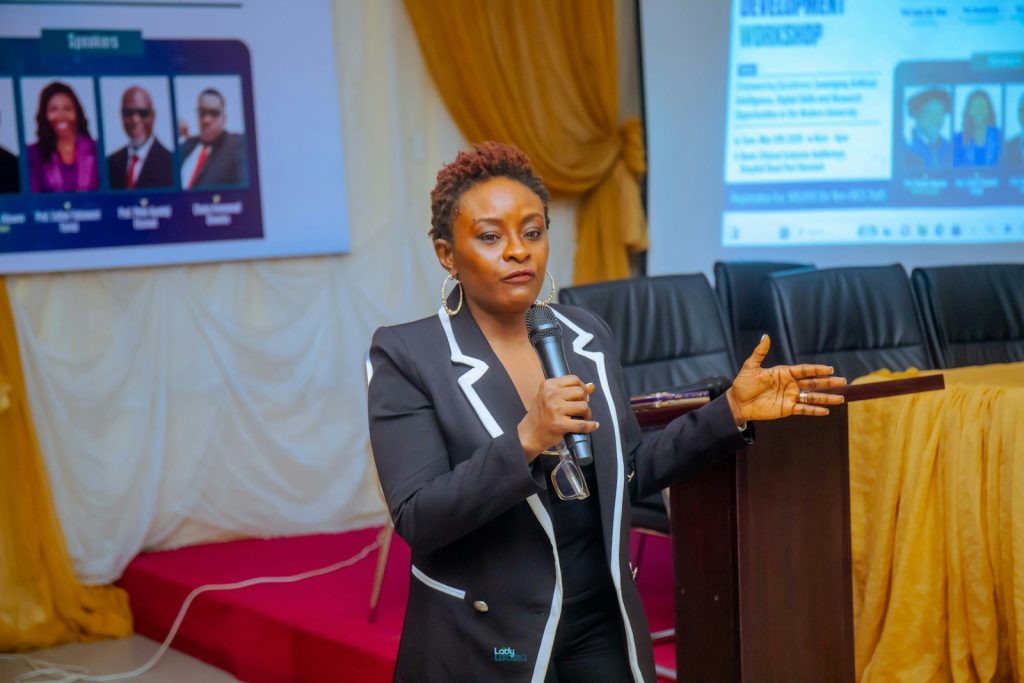
Featured photo: Speaker at a presentation by Ufoma Ojo on Unsplash.


Leave a Reply