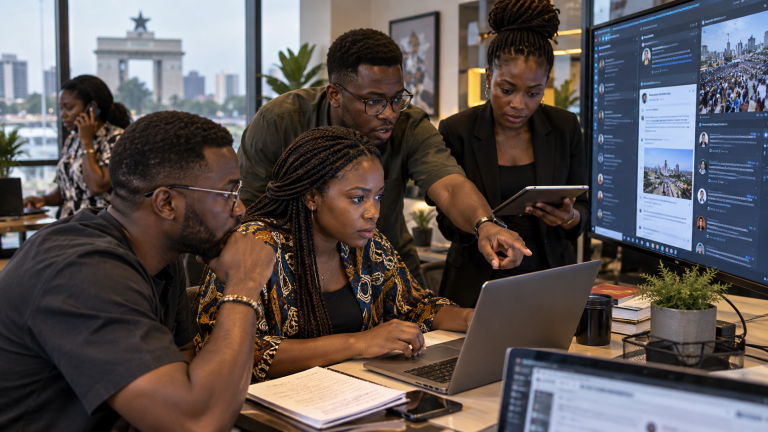
Translation is not a final production step. It is part of strategy. A message written for English may depend on legal terms, humour or institutional phrases that do not transfer cleanly into Twi, Ewe, Ga, Dagbani or other Ghanaian languages.
Start by identifying the communities and channels involved. Work with translators who understand the subject and with reviewers who know the audience. Give them the purpose, not only the words. Back-translation can reveal errors, but community review is also needed to test tone and clarity.
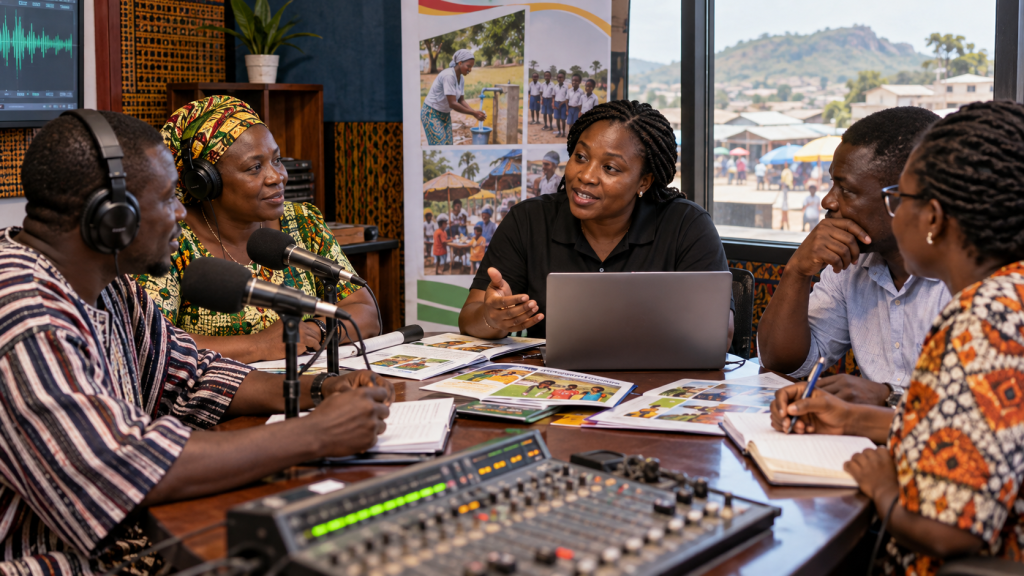
For radio and community engagement, prepare spoken-language versions instead of reading a literal written translation. Keep essential warnings, dates, prices and instructions consistent across versions. Create an approved glossary for recurring technical terms and update it when audiences show confusion.
Budget for language work at the planning stage and credit contributors. Record which version is authoritative if a legal notice is involved. Inclusive language communication expands access only when every version receives the same care as the English original.
Editorial note: Commission language specialists to review examples before publication.
Insights & AdviceSeptember 22, 2026
Using Ghanaian languages in public communication
PR GHANA2026