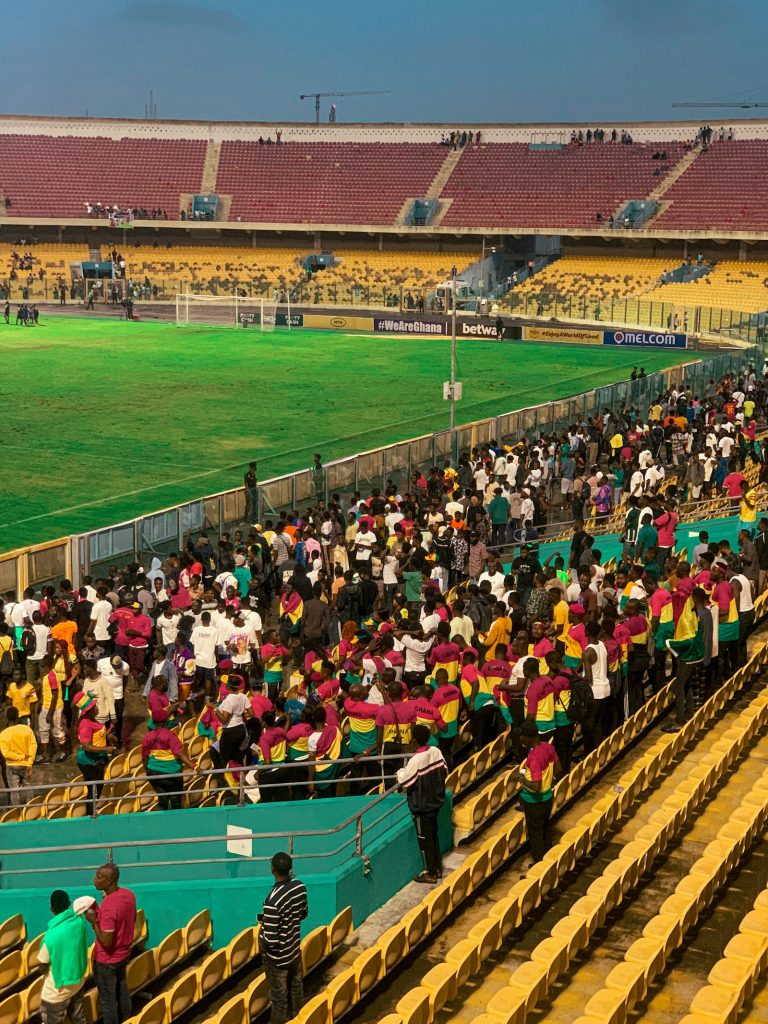
A public fight over alcohol sponsorship of sport is under way in Ghana. On Wednesday, 4 November 2026, Ghana Football Association (GFA) President Kurt Okraku told Parliament’s Select Committee on Youth and Sports that rules set by the Food and Drugs Authority (FDA) cost the Ghana Premier League a sponsorship deal with Guinness Ghana worth more than US$5 million a year. He asked the Committee to lead efforts to remove the provision.
Within days, civil society groups pushed back. The Alcohol Policy Alliance Ghana (GhanAPA) and VAST Ghana both said child protection must come before sponsorship income. For sponsorship, brand and Public Relations teams, the debate is a live test of how a regulated industry, a sports body and health advocates argue in public.
What the GFA said
According to reports in Graphic Online, MyJoyOnline and 3News, Mr Okraku told the Committee: “We were approached by Guinness Ghana Limited wanting to invest heavily in the Ghana Premier League.” He said the GFA held a series of meetings with the company, but “At the end, FDA said no.”
He said the provision that allows the FDA “to say yes or no to sponsorship still exists within our books”, and asked the Committee to “lead the charge to completely take out that provision”. GhanaWeb reported that the Committee chair, Henry Ernest Norgbey, assured the delegation of Parliament’s support for sports development. 3News reported that neither the FDA nor Guinness Ghana had responded publicly by that evening, and we found no public response from either in later reports.
What the rule actually says
Several reports make a point that matters for anyone explaining this story. The restriction is not in an Act of Parliament. It sits in FDA advertising guidelines issued under Section 148 of the Public Health Act, 2012 (Act 851).
- The guidelines bar alcohol adverts from linking drinking to sporting activity, and require FDA approval for promotions tied to sponsored events, according to 3News, GhanaWeb and Business of Sports Africa.
- The same guidelines limit alcohol adverts on radio and television to between 8pm and 6am, and bar well known personalities from endorsing alcoholic drinks.
- In June 2024 the Supreme Court dismissed a challenge to the FDA’s rule on celebrity alcohol adverts by a 5 to 2 majority, as 3News reports.
Business of Sports Africa notes that because this is an approval requirement in guidelines, the FDA could in principle change its position without new legislation. That is one reason the debate is likely to continue outside Parliament as well as inside it.
How the health campaigners responded
On 9 November, GBC reported that VAST Ghana had rejected the GFA’s appeal, arguing that commercial gains cannot justify weakening safeguards for children.
On 12 November, the Ghana News Agency carried a statement from GhanAPA, signed by its National Coordinator, Mary Yayra Kpogo. It said: “We wish to state in the strongest terms that we will not accept it.” GhanAPA asked the Committee to reject the request and gave Parliament 21 days to reaffirm the FDA rules. If that does not happen, it said it would organise a peaceful protest at Parliament House and the GFA Secretariat, petition the Speaker, the President and the Supreme Court, and run a national media and social media campaign. Its statement ended: “History will judge this Parliament by whether it stood with children or with alcohol profits.”
What it means for Ghanaian practitioners
- Know the rule before you pitch the deal. Agencies and sponsorship teams working with drinks brands should read the FDA guidelines closely and build approval time into any sports related plan. A deal that collapses late is a reputational problem for everyone named in it.
- Expect strong framing from both sides. One side talks about money for football. The other talks about children. Communicators for any party need evidence, not slogans, and should be ready for questions about minors and exposure.
- Silence is also a message. Neither the FDA nor Guinness Ghana had responded publicly in the reports we read. Regulators and brands caught in a public argument should decide early whether, when and how they will speak.
- Watch the 21 day window. GhanAPA’s deadline, counted from its 12 November statement, falls in early December. Any protest or petition will bring the issue back into the news.
- Look for the middle ground. Business of Sports Africa reports that at the 2025 GFA Congress, Mr Okraku proposed a responsible sponsorship framework developed with the FDA, the sports ministry, civil society and health groups. Practitioners who can help design and explain such frameworks will be valuable in this debate.
Sources: Graphic Online; MyJoyOnline; 3News; GhanaWeb; GBC Ghana Online; Ghana News Agency; Business of Sports Africa


Leave a Reply