Start by identifying the communities and channels involved. Work with translators who understand the subject and with reviewers who know the audience. Give them the purpose, not only the words. Back-translation can reveal errors, but community review is also needed to test tone and clarity.
For radio and community engagement, prepare spoken-language versions instead of reading a literal written translation. Keep essential warnings, dates, prices and instructions consistent across versions. Create an approved glossary for recurring technical terms and update it when audiences show confusion.
Budget for language work at the planning stage and credit contributors. Record which version is authoritative if a legal notice is involved. Inclusive language communication expands access only when every version receives the same care as the English original.
Practical steps for multilingual campaigns
Begin with research. Find out which languages your audience speaks and which they read. Many Ghanaians speak a local language fluently but read mainly in English. In that case, audio and video in the local language may work better than printed leaflets.
Choose translators with care. Ask for samples of past work and check references. For health, legal or financial topics, the translator should understand the subject well. Give them enough time. Rushed translation leads to errors that can confuse or mislead.
Testing and feedback
Before launch, test the translated message with a small group from the target community. Ask them what the message means in their own words. If their answer differs from the intended meaning, revise the wording.
After launch, monitor how people respond. Listen to callers on radio programmes and check comments on social media. Note words that cause confusion and update the glossary. Remember that languages change, and younger audiences often mix English and local languages in everyday speech. Communication that respects how people really talk will be understood and trusted more widely.
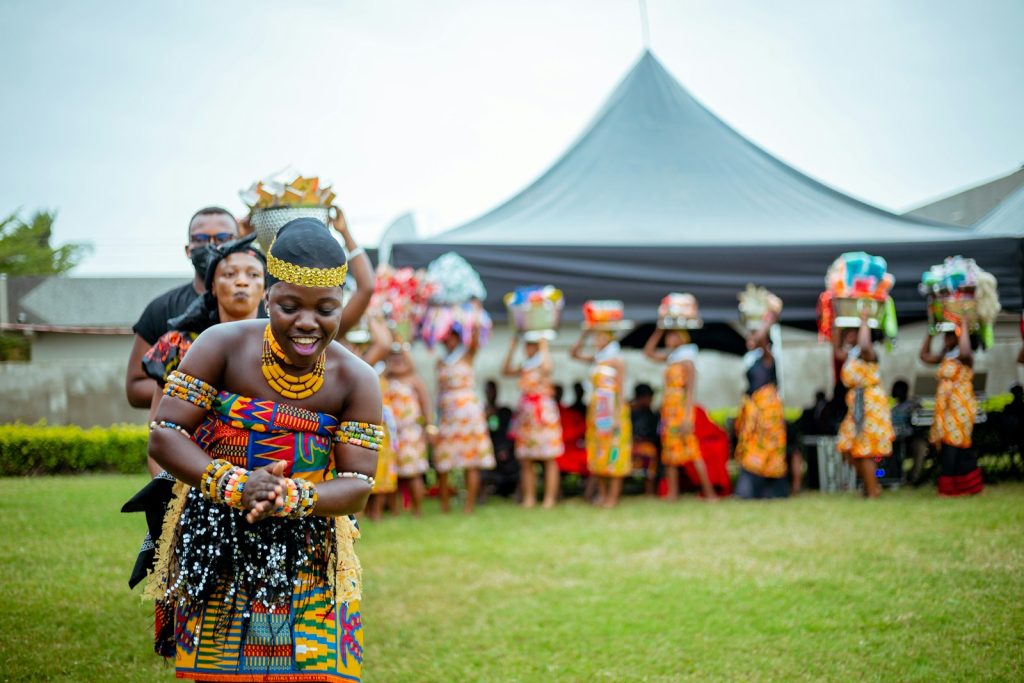
Featured photo: People in traditional dress in Accra by Ransford Quaye on Unsplash.


Leave a Reply